Summer Vacations : How Children Drown in Rivers, Ponds & Quarries – Real Stories, Science & Prevention Strategies
Every March, when school bells fall silent across Kerala – India , joy fills the air. Children run free, parents breathe a little easier after months of early mornings and homework battles. But alongside the laughter comes a sobering reality: drowning deaths spike dramatically. In the last few weeks alone — February to mid-March 2026 — multiple children have lost their lives in rivers, ponds and abandoned quarry pits. These are not random accidents. They follow predictable patterns that every parent, teacher and community member needs to understand deeply.
This is not another “don’t go near water” list. Instead, we will walk through exactly how these tragedies unfold — the psychology, the physics, the split-second decisions — using real cases from the past month. When we truly see the path children take toward danger, we can block it without fear or constant scolding.
Recent Heartbreaking Drowning Cases in Kerala (March–February 2026)
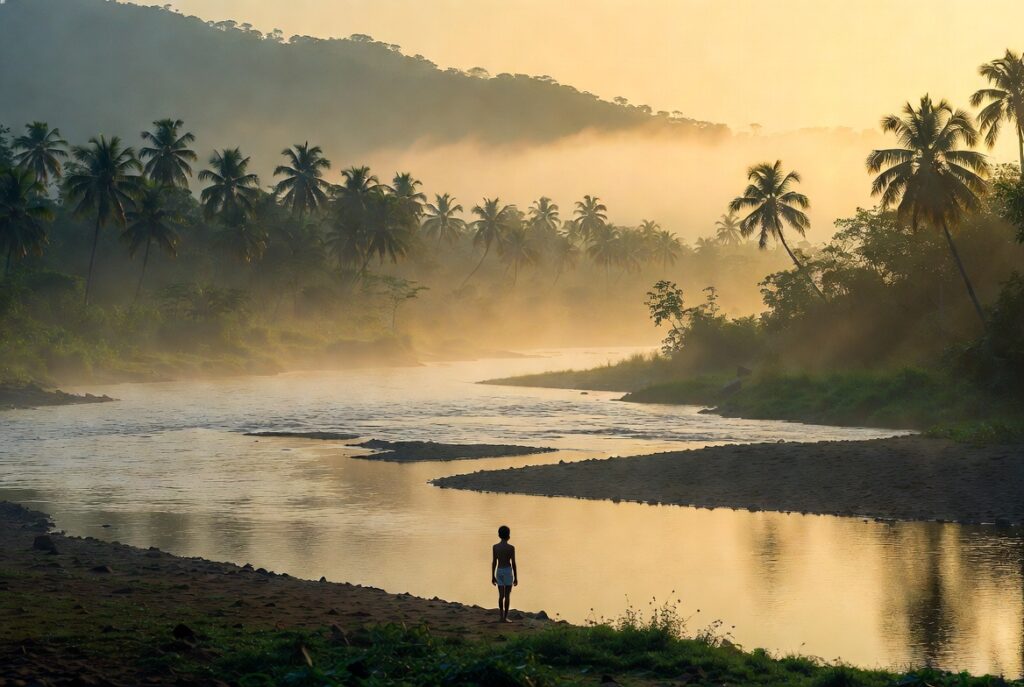
On March 1, 2026, in Ayyaya Pakara village of Malappuram district, two young boys — six-year-old Fadi Aman and seven-year-old Aslah — went out to play near their homes. A short distance away lay an old stone quarry pit filled with rainwater. What looked like a shallow puddle from the edge was actually deep enough to swallow them. Villagers and relatives pulled the children out quickly and rushed them to hospital, but both were declared dead. Their families described them as typical energetic boys who simply wanted to “explore” after school closed.
Just three weeks earlier, on February 23 in Ranni Aithala, Pathanamthitta, two boys named Chris and Joshin joined a group of ten friends for what was supposed to be innocent river bathing. The current was stronger than it appeared. One slipped; others tried to help. The group dynamics turned a single mistake into multiple near-misses. Search teams later recovered the bodies. The children had not informed their parents about the exact location.
On March 13 in Marayoor, Idukki, teenagers Sanjith Kumar (15) and Balamurughan (14) went with one friend to Kovilkadavu along the river. At around 4:30 pm they waded in for a quick dip. They ventured just a few steps too far into a deeper section. By 5:30 pm fire and rescue teams had recovered their bodies. Three boys, one decision to go deeper, irreversible outcome.
Even toddlers are not spared. On March 14 in Mannanchery, Alappuzha, one-year-old Icein fell into a stream just 20 metres from his house while his mother briefly turned away. The father, working in the Gulf, was rushing home for the funeral. No group, no adventure — just everyday unsupervised seconds near water.
These four incidents in one month are not isolated. State Crime Records Bureau data shows that in previous years Kerala lost between 232 and 258 children to drowning annually, with Malappuram and rural districts consistently topping the list. Summer vacation multiplies the risk because children have more unstructured time and water bodies are more inviting.
Why Children Go Secretly: The Psychology of Group Adventures
Here is the first uncomfortable truth parents must accept: most children who drown during vacation do not tell their parents exactly where they are going. Why? Because they already know the answer will be “no”.
When a friend calls and says “everyone is going to the river, it will be fun”, the brain of a 7–14 year old lights up with excitement and social reward. The fear of missing out (FOMO) is stronger than the vague warning they heard weeks ago. They tell themselves “we’ll just go for ten minutes and come back” or “I’ll be careful”. In group settings, individual caution disappears. One child’s dare becomes everyone’s plan.
In the Pathanamthitta and Idukki cases, the children were not alone. The presence of friends created a false sense of safety. Research from child psychologists shows that peer presence reduces risk perception by up to 50% in adolescents. The child who might hesitate alone jumps in because “everyone is doing it”. When one slips, the instinct to rescue kicks in — turning rescuers into additional victims.
Parents often discover the outing only after the tragedy. The child never lied maliciously; they simply omitted details because they knew permission would be denied. This secrecy is the silent enabler in almost every case we reviewed.
The Science Behind Every Drowning: Instinctive Drowning Response Explained
Most people imagine drowning as dramatic splashing and shouting. Reality is almost completely silent — a phenomenon called the “Instinctive Drowning Response” documented by the U.S. Coast Guard and widely cited by safety experts.
When a child’s head goes underwater, the body’s first reaction is laryngospasm — the vocal cords clamp shut to prevent water entering the lungs. No shouting is possible. The child instinctively tilts the head back to keep the mouth above water and presses the arms downward in a rhythmic motion that looks like “climbing a ladder” but actually pushes them deeper. The face shows no panic; it looks strangely calm. This phase lasts 20–60 seconds before unconsciousness.
In the Malappuram quarry case, the water looked shallow and inviting. One step and the bottom dropped away. The boys did not scream for help because their bodies physically could not. Neighbours found them only because they noticed the absence, not because of any cry.
Secondary drowning is another hidden killer. Water enters the lungs in small amounts, causing delayed swelling that can stop breathing hours later — sometimes after the child seems “fine” and has been brought home.
Children’s smaller bodies and lower muscle mass mean they exhaust oxygen reserves faster than adults. What an adult might survive for two minutes can end a child’s life in under one.
Unknown Depths, Currents and Quarry Pits: How One Step Changes Everything
Kerala’s landscape is beautiful but deceptive. Monsoon rains leave behind quarry pits that refill every year. From the bank they look like harmless ponds. One step deeper and the child is beyond standing height. In rivers, the surface can be mirror-calm while underwater currents swirl at different depths.
The Idukki teenagers thought they knew the spot. They had visited before. But summer water levels change flow patterns. The same applies to streams near houses — the Alappuzha case proves that even 20 metres away is too close when supervision lapses for seconds.
The Role of Summer Vacation Heat and Peer Pressure
Summer vacation coincides with peak heat. Children seek relief in water. Schools are closed, parents are at work or busy with household chores. The combination of free time, heat and friends creates the perfect storm. Studies from the World Health Organization show that drowning rates in tropical countries rise 40–60% during school holidays.
What Parents and Communities Can Actually Do Differently
Understanding the “how” leads to better “what next”.
- Replace blanket bans with open conversations. Tell children the real science: “Your body will not let you shout — that is why we need a plan.” When kids understand the silent nature of drowning, they become more cautious.
- Teach swimming and water competency early. Formal lessons reduce risk dramatically.
- Create community supervised play zones. Villages can designate safe bathing areas with life jackets and adult watchers during vacation.
- Use technology wisely. Family location sharing on phones (with consent) removes the secrecy without spying.
- Train everyone in CPR and rescue techniques. Minutes matter.
Communities that have adopted these approaches — like certain panchayats in West Bengal and pilot projects in Kerala — have seen measurable drops in incidents.
Link to global guidance: The World Health Organization’s Global Report on Drowning emphasises exactly these community-level interventions. The U.S. Centers for Disease Control and Prevention provides practical step-by-step prevention layers that translate perfectly to Indian conditions.
Global Lessons: Evidence-Based Prevention That Works in India
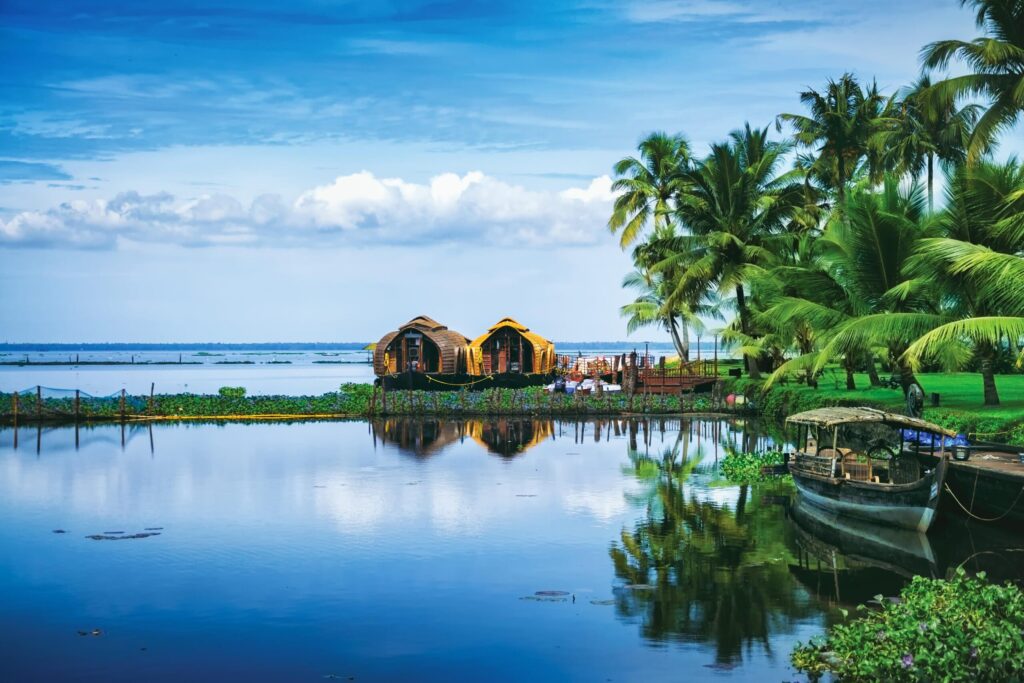
India accounts for a significant share of global child drownings. Yet simple, low-cost solutions exist: barriers around quarries and ponds, mandatory life jackets near tourist water spots, school-based water safety curricula during vacation periods. Kerala’s Disaster Management Authorities have begun flagging high-risk zones. Parents can push local bodies to act faster.
Conclusion: Turning Awareness into Lifesaving Action
Summer vacation should be filled with memories of laughter, not funerals. The children in Malappuram, Pathanamthitta, Idukki and Alappuzha did not intend to die. They simply did what children do — explored, played, trusted their friends and underestimated water.
By understanding the exact sequence — secrecy, group pressure, silent physiological response, hidden depths — we stop reacting after tragedy and start preventing it. Talk openly, teach skills, supervise smartly, and build community safety nets.
This vacation, let us make Kerala’s rivers places of joy, not sorrow. Share this article with every parent you know. One conversation, one swimming lesson, one community watch group can break the chain that has claimed too many young lives already.
#drowning deaths Kerala, #kids drown river pond quarry, #instinctive drowning response, #summer vacation water safety India, #Kerala child safety 2026, #child drowning Kerala, #summer vacation safety, #water safety India, #instinctive drowning response, #Kerala child deaths 2026, #drowning prevention, #parenting awareness, #river safety Kerala