
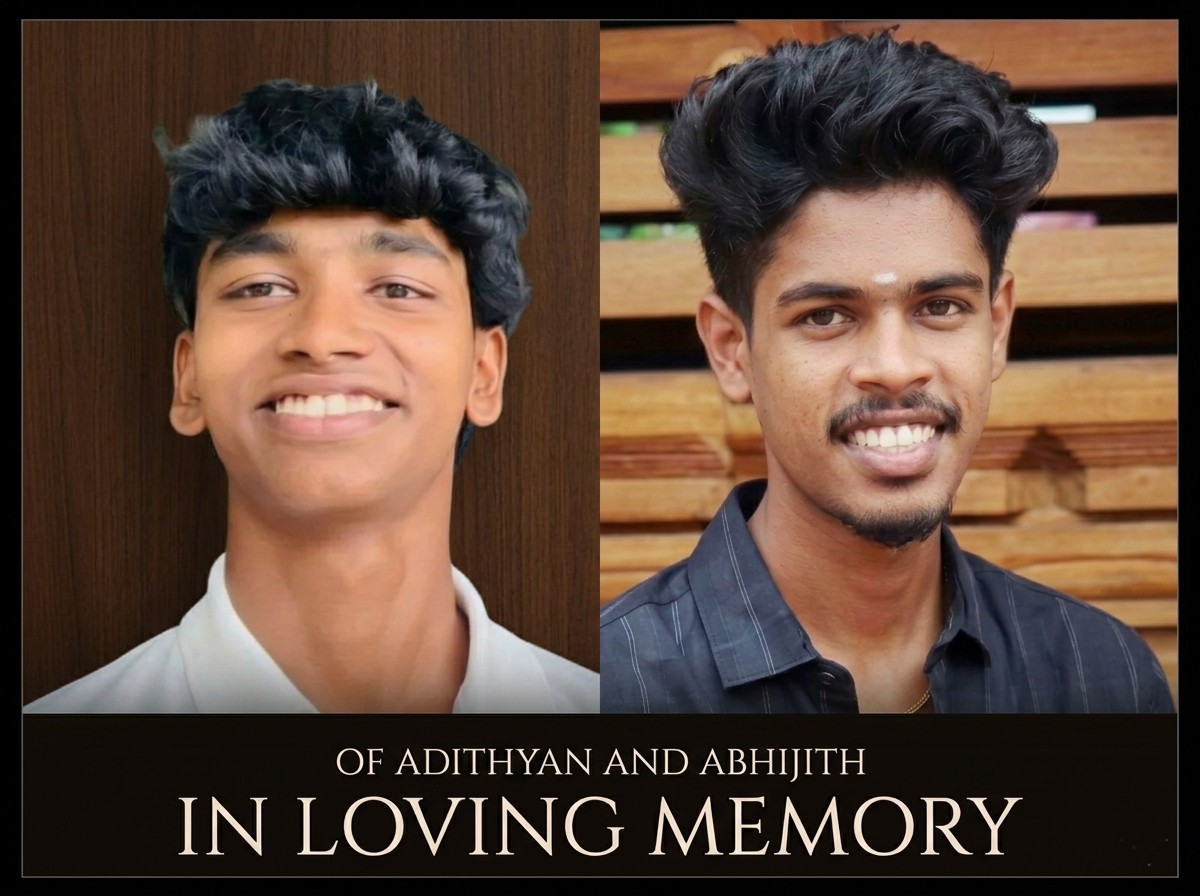
The Silent Ripple: Why Our Children are Dying for a “Dare” and How to Stop It
The Day Ashtamudi Wept: A Story of Two Empty Chairs

It was a morning that smelled of fresh hope and temple incense. Six friends, laughter echoing against the serene backdrop of the Ashtamudi Lake in Kerala. They were young, vibrant, and felt invincible. But within minutes, the laughter turned into bone-chilling screams.
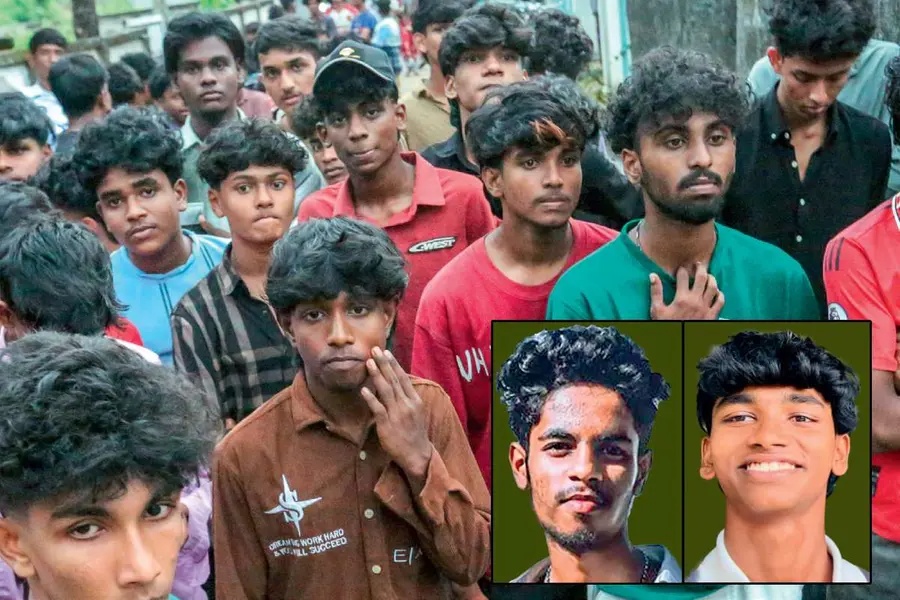
Adithyan (19) and Abhijith (17) didn’t come home that day. What started as a refreshing dip after a temple visit ended in a double funeral. This isn’t just a local news snippet; it is a global wake-up call. Every year, thousands of “Adithyans” and “Abhijiths” are lost to the water, not because they couldn’t swim, but because they didn’t understand the physics of death.
The Trap of “Instinctive Heroism”
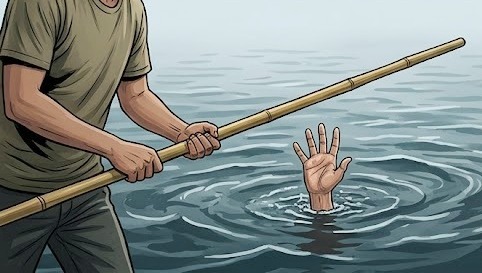
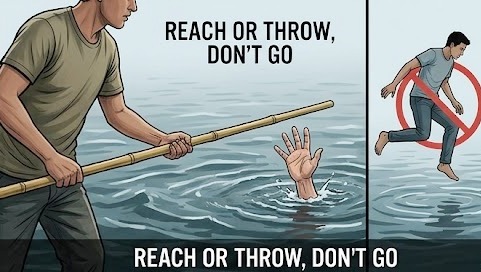
When we see a friend struggling, our DNA screams at us to jump in. We call it bravery. Experts call it a “Double Drowning.” When a person is drowning, they enter a state of “Aquatic Victim Instinctive Response.” They aren’t waving; they are suffocating. In that panic, they will climb on anything to stay afloat—including their best friend. By jumping in without equipment, you aren’t becoming a savior; you are becoming a second anchor. We must teach our youth: Reach or Throw, but NEVER just Go.
The Biology of the “Invincible” Teen
Why do they take the risk? Why do they take the car keys without permission or jump into a river with hidden currents? Science tells us that the Prefrontal Cortex—the brain’s “brakes”—isn’t fully developed until age 25. Meanwhile, the reward system is on overdrive. To a 17-year-old, the “rush” of a dare is louder than the “whisper” of danger.
The Three Silent Killers: Water, Fire, and Speed

We are losing a generation to three elements:
- The Deceptive Water: A lake looks calm on top but holds “death pockets” of silt and cold currents underneath.
- The Thrill of Speed: Taking a vehicle without a license isn’t a rite of passage; it’s a gamble with a 100% stake: your life.
- The Fire of Peer Pressure: Doing it “for the gram” or to look “cool” in front of friends is a debt paid in blood.
How to Save a Life Without Losing Yours

If you are reading this and you are under 25, listen: Real courage is the ability to say “No.”
- Use a Tool, Not Your Body: If a friend is drowning, find a bamboo pole, a lungi, a rope, or a plastic jug.
- The 5-Second Rule: Before you jump, before you rev that engine, count to five. Think of your mother’s face when she hears the news. That 5-second pause is the boundary between a life lived and a life lost.
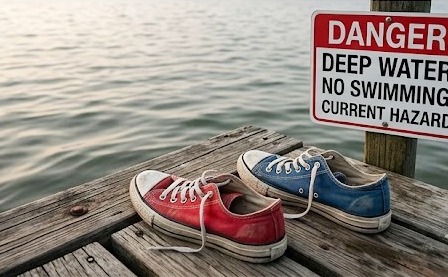
- Respect the “No Entry” Signs: Nature doesn’t give second chances. If a beach is closed or a river is high, stay out.
A Message to the World
We need to share the story of Adithyan and Abhijith until it reaches every classroom. We need to shock the world into realizing that “safe enough” is never enough. Let their legacy be the lives saved by the lessons we learn from their tragedy.
(For more on safety protocols, visit the International Life Saving Federation or check local Red Cross Water Safety guidelines.)
WaterSafety #DrowningPrevention #AshtamudiLake #TeenSafety #ParentingTips #SafetyFirst #LifeSavingSkills #KeralaTragedy #YouthAwareness #StaySafe #WaterRescue #GriefAndHealing #Heroism #RiskTaking #PreventDrowning #GlobalSafety #SafetyAwareness #SaveLives #AdventureSafety #TwinFlameCelebrities, #Ashtamudi Lake tragedy, #Drowning prevention tips