
 Santhosh Puthiyedath
 The Tragic Death of Muhammad Fadil : A Wake-Up Call for Teen Mental Health and Suicide Prevention Worldwide
In a quiet home in Sultan Bathery, Wayanad district of Kerala, India, a bright 14-year-old boy named Muhammad Fadil was found dead by suicide on the morning of April 28, 2026 ( Teen Suicide Prevention ) . A Class 9 student at a local government high school, Fadil’s passing has left his family devastated and an entire community questioning how a young life could end so abruptly.
This is not an isolated incident. Around the world, suicide remains one of the leading causes of death among adolescents. The World Health Organization reports that suicide is the third leading cause of death for people aged 15–29 globally, with millions more attempting it.
So one by one, what happens to our children who don’t even know the ABCs of death? A comprehensive investigation! The death of Muhammad Fadil (14), son of Abdullah and Hasna, a ninth-grade student in Sultan Bathery, Wayanad, is painful. The anxiety caused by this pain is the basis for creating this post.
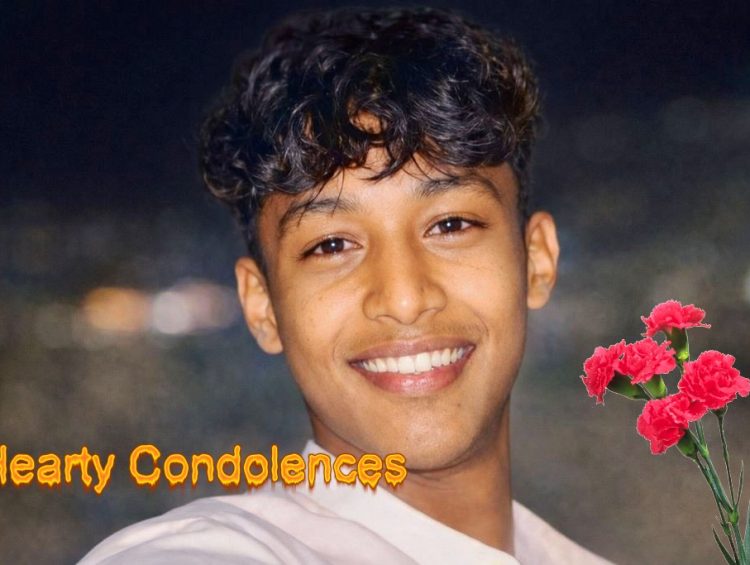
In Loving Memory Gone too soon, but never forgotten. Your smile will live on in our hearts forever. 🌹
The Incident That Shook a Community
Muhammad Fadil, son of Abdullah and Hasna, lived with his brothers Muhammad Adil and Muhammad Rabid in Beenachi, Ambalapparambu. On that fateful Tuesday morning around 6:30 AM, his family discovered him hanging in the hall of their home. Police from Sultan Bathery station responded, and his body was taken to the local taluk hospital. As of now, a full investigation continues, and no final note or single definitive cause has been publicly confirmed.
What makes this case particularly painful is Fadil’s age—just 14. At this stage of life, children are navigating intense physical, emotional, and social changes while facing mounting external pressures.
Understanding Why Adolescents Sometimes See No Way Out
Many teens who die by suicide feel overwhelmed by problems that, to an outside observer, might seem solvable. In their developing minds, however, the pain feels permanent and unbearable. “My problem has no solution on this earth” is a common internal narrative.
Possible contributing factors in cases like this often include:
- Intense Academic Pressure — In India’s competitive education system, Class 9 marks the transition toward board exams in Class 10. Constant comparisons, fear of failure, and parental expectations can create crushing anxiety.
- Bullying and Peer Rejection — School bullying, cyberbullying, or social exclusion can make a teen feel worthless and alone.
- Undiagnosed or Untreated Mental Health Conditions — Depression, anxiety, or other issues often go unnoticed because teens rarely ask for help directly.
- Family Dynamics and Communication Gaps — High expectations combined with limited emotional openness can leave children feeling unsupported.
- Social Media Influence — Constant exposure to idealized lives amplifies feelings of inadequacy.
These factors rarely exist in isolation. A combination often builds until a breaking point is reached.
My Reflections on This Tragedy
As someone who analyzes human stories, I believe this loss reminds us that academic success means nothing if a child’s spirit is broken. We live in a world that celebrates top ranks and trophies but often ignores the sleepless nights, silent tears, and quiet desperation behind them.
Children are not mini-adults. Their brains are still wiring themselves for resilience, empathy, and problem-solving. When we overload them with expectations without teaching coping skills, we unintentionally send the message that their worth depends on performance.
Global Context: A Worldwide Crisis
Adolescent mental health is not just an Indian issue. From South Korea’s exam hell to the United States, where persistent sadness affects nearly 40% of high school students, young people are struggling. Bullying, academic stress, identity issues, and family conflicts appear across cultures.
Warning Signs Parents and Teachers Should Never Ignore
- Sudden withdrawal from family and friends
- Drop in academic performance or loss of interest in activities
- Changes in sleep or eating patterns
- Talking about feeling hopeless or being a burden
- Giving away possessions
- Increased irritability or anger
If you notice these, do not dismiss them as “typical teenage behavior.”
How We Can Prevent the Next Tragedy
- Open Communication — Create safe spaces where teens can speak without fear of judgment or punishment.
- Reduce Academic Pressure — Focus on effort and learning rather than only outcomes.
- Teach Emotional Literacy — Schools should include mental health education in the curriculum.
- Address Bullying Firmly — Zero-tolerance policies with counseling for both victims and bullies.
- Limit Social Media — Encourage real-life connections and digital detox periods.
- Seek Professional Help Early — Therapy is not a sign of weakness; it is self-care.
Resources for Help (India & International)
India:
- Childline (for children in distress): 1098
- Kiran Mental Health Helpline: 1800-599-0019 (24/7)
- iCall (TISS): Check https://icallhelpline.org/ for timings
- Vandrevala Foundation: 9999666555 (24/7)
Global Support: Visit https://findahelpline.com/ for localized helplines worldwide.
WHO Suicide Prevention Resources: https://www.who.int/health-topics/suicide
Building a Compassionate Society
We must shift from a culture of shame and silence to one of empathy and action. Every adult—parent, teacher, neighbor—can be a lifeline. A simple “Are you okay?” or “I’m here if you want to talk” can plant seeds of hope.
Conclusion: There Is Always Hope
Muhammad Fadil’s story ends in tragedy, but it does not have to define the future for other children. His loss calls us to do better: listen more, pressure less, and support wholeheartedly.
If you are a teen reading this and feeling hopeless — please know your pain is real, but it is not permanent. Help exists. You are not alone, and the world needs your unique light.
Life gets better. Problems that feel insurmountable today often shrink with time, support, and new perspectives. Reach out. Stay. You matter.
#TeenSuicidePrevention #MentalHealthAwareness #AdolescentMentalHealth #StopYouthSuicide #KeralaNews #AcademicPressure #BullyingAwareness #SuicidePrevention #ParentingTips #YouthMentalHealth #DepressionHelp #AnxietySupport #Childline1098 #HopeForTeens #EmotionalWellbeing #BreakTheStigma #ListenToTeens #StudentMentalHealth #WayanadTragedy #GlobalMentalHealth #TeenSuicidePrevention
