
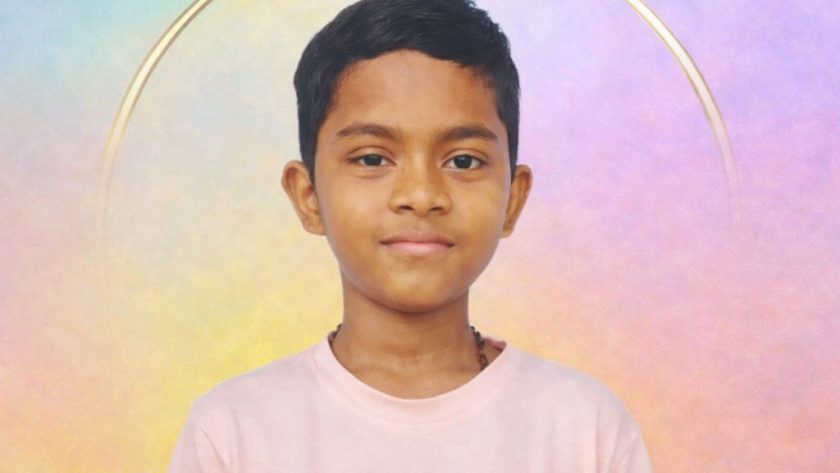
A Final Rest in Kindred Soil: The Story of Sarju Gauri and John Jacob
About Humanity Beyond Borders
This post explores a poignant incident from Kottayam, Kerala, where 9-year-old Sarju Gauri, the son of migrant workers from Assam, succumbed to leukemia ( Humanity Beyond Borders ) . Faced with the logistical and financial nightmare of transporting the body thousands of miles back home, their employer, John Jacob, stepped in. In a rare display of communal harmony and selfless empathy, Jacob offered his own land for the child’s cremation according to Hindu rites. This story serves as a global testament to the fact that beyond the labels of “migrant” or “employer,” the bond of human suffering and kindness remains the most powerful force in our modern world.
Beyond Borders and Beliefs: The Little Boy Who Found a Home in a Stranger’s Heart
The world often feels divided by invisible lines—maps, languages, religions, and social classes. Yet, occasionally, a story emerges from a small corner of the globe that wipes those lines away, reminding us of our shared DNA of compassion. This is the story of Sarju Gauri, a nine-year-old boy who left his home in Assam to find a future in Kerala, only to find an eternal resting place in the backyard of a man who viewed him not as a “migrant’s son,” but as his own.
The Journey from Assam to the “Land of Letters”
Sarju Gauri was a bright-eyed fourth-grader at the CMS LP School. His parents, Krishna and Amrita, had traveled over 2,500 kilometers from the tea gardens of Assam to the lush landscapes of Kottayam, Kerala, seeking a better life. They found work with John Jacob at his establishment in Thottackad. Like thousands of other “guest workers” in Kerala, they labored daily to ensure Sarju could have the education and opportunities they never did.
Sarju quickly integrated into the local culture, becoming a “son of Kottayam.” He was a diligent student, a favorite among his peers, and the sole beacon of hope for his parents. However, fate had a cruel plan. Sarju was diagnosed with leukemia, a battle that eventually took him to the Regional Cancer Centre (RCC) in Thiruvananthapuram. Despite the best efforts of medical professionals, the young boy passed away before his life could truly begin.
A Crisis of Distance and Grief
For a migrant family, the death of a loved one is a double tragedy. Beyond the crushing grief, there is the logistical nightmare of what comes next. Assam is at the far reaches of Northeast India. Transporting a body across such a distance involves immense costs and bureaucratic hurdles that are often insurmountable for daily-wage earners.
Krishna and Amrita were stranded. They were thousands of miles from their ancestral roots, mourning their only child in a land where they were technically “outsiders.” It was at this moment that John Jacob, their employer, made a decision that would stun the local community and eventually the world.
An Act of Radical Compassion
John Jacob realized that forced travel during such a period of mourning would only further traumatize the parents. He decided that Sarju should not be treated as a stranger in a strange land. He offered his own private property for the funeral.
Breaking all social taboos, Jacob arranged for the child to be cremated according to Hindu rites on his own land. In a world often plagued by communal tensions, here was a Christian man providing the sacred ground for a Hindu child’s final rites, simply because it was the “human” thing to do.
“He wasn’t an ‘inter-state migrant’ to me,” Jacob’s actions seemed to say. “He was a child of this soil.”
The Global Lesson: From “Migrant” to “Guest”
Kerala often refers to its migrant workforce as Athithi Thozhilali (Guest Workers). This story elevates that term to its highest spiritual meaning. By ensuring that Sarju’s ashes would later be flown back to Assam for the final rituals, John Jacob didn’t just provide a service; he provided dignity.
This story challenges the international community to rethink how we treat the displaced and the wandering. Whether it is the refugee crisis in Europe or internal migration in Asia, the “Sarju-Jacob” narrative teaches us that:
- Empathy is a Universal Language: You don’t need to speak the same tongue to understand a parent’s heartbeat.
- Land is for the Living and the Dead: Ownership of property is secondary to the duty of care we owe one another.
- Community is Choice: We choose who our family is through our actions in times of crisis.
Reflecting on Childhood and Loss
Losing a child is a universal pain. The World Health Organization (WHO) notes that childhood cancer is a leading cause of death for children and adolescents globally. While medical advancements are crucial, the social support for families undergoing this trauma is equally vital. In Sarju’s case, while the medicine failed, the humanity surrounding him succeeded.
Conclusion: A Home Made of Love
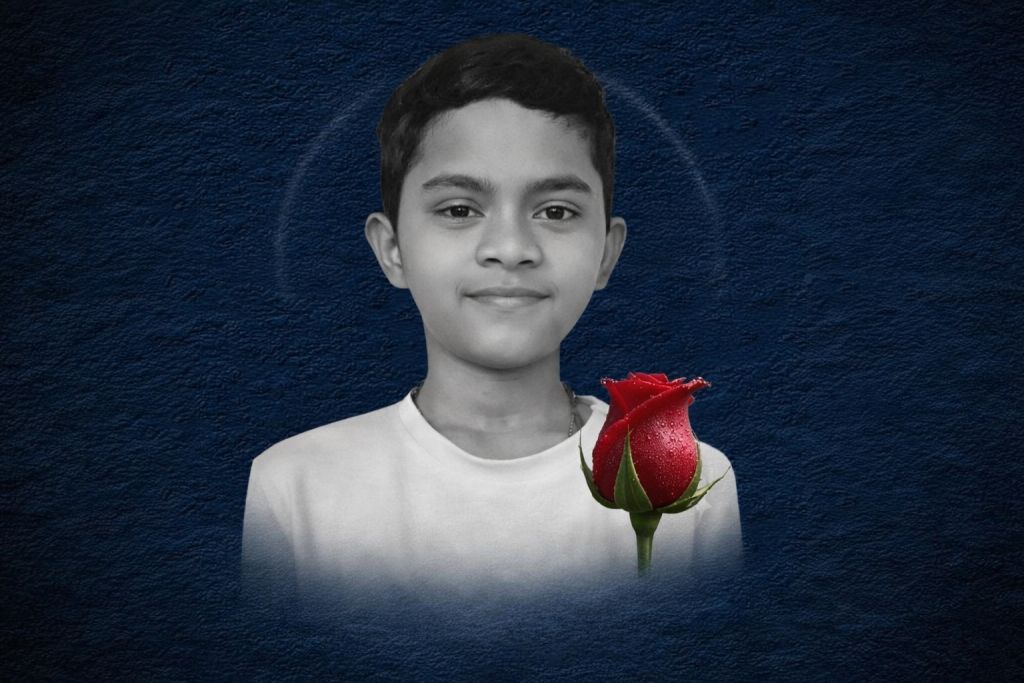
Sarju Gauri didn’t get to grow up and see the World Cup he might have loved or the career his parents dreamed of. But in his passing, he did something few adults ever achieve: he brought a community together. He proved that even in death, we can find a home.
As we look at the pictures of the small pyre lit in a private garden in Kerala, we are reminded that the world isn’t made of borders. It’s made of people. And as long as there are people like John Jacob, there is hope for us all.
For more information on supporting migrant communities and understanding their challenges, you can visit Human Rights Watch to learn about global standards for worker dignity.
Migrant worker rights India, Kerala humanity stories, Childhood cancer awareness, Inter-state migration India, Acts of kindness.
Hashtags: #Humanity #Kerala#Assam #RestInPeace #ActsOfKindness #Compassion #SarjuGauri #JohnJacob #UnityInDiversity #SocialHarmony #Inspiration #Heartwarming #MigrantLives #ChildhoodCancer #GlobalCitizenship #Empathy #CommunityLove #Kottayam #IndiaStories #UniversalLove #HumanityBeyondBorders